

By Bella Saroukos, Hair Traders Australia
Finding suitable haircare products can be a challenge for individuals with colour-treated and damaged hair. Vegan haircare options not only prioritise ethical sourcing but also ensure that harmful ingredients are kept at bay. In this guide, we will discuss the best vegan haircare products specifically formulated to rejuvenate and protect your hair. You will discover essential products, including shampoos, conditioners, and treatments that nourish colour-treated and damaged hair while maintaining its vibrancy. With insights into the best practices in using these products and understanding key ingredients, this article aims to provide actionable tips and recommendations to restore your hair's health.
Top Vegan Shampoos and Conditioners
When it comes to vegan shampoos and conditioners, a few standout products cater specifically to colour-treated and damaged hair. These products emphasise not only moisture and nourishment but also protect against fading.
Vegan Shampoo A: Formulated with botanical oils, this shampoo gently cleanses while preserving colour integrity.
Vegan Conditioner B: A leave-in treatment enriched with plant proteins to strengthen hair fibres and enhance shine.
Vegan Conditioner C: Ideal for daily use, this conditioner provides essential hydration without weighing down the hair.
These products concentrate on enhancing moisture retention while minimising damage, crucial for maintaining vibrant colour and healthy hair.
Treatments for Damaged Hair
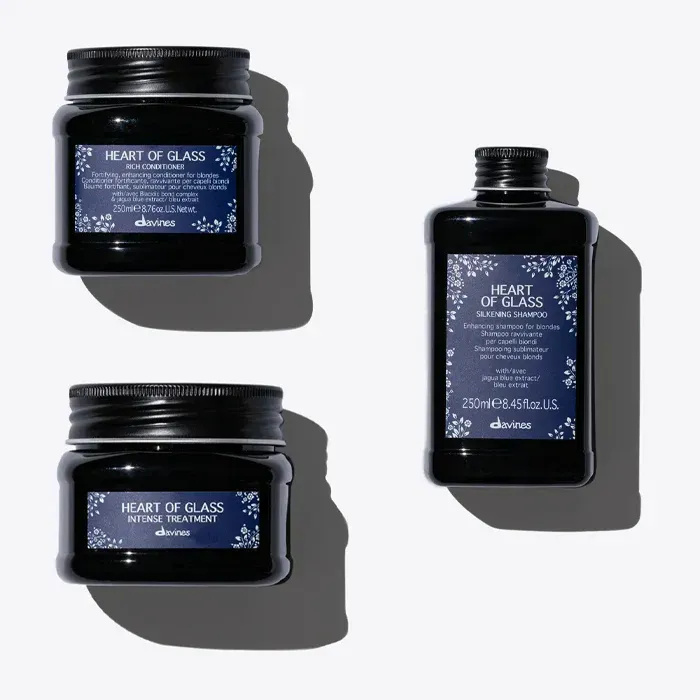
Treatment options for damaged hair take varied forms, focusing on deep conditioning and repair. Here are a few approaches that can effectively rejuvenate your locks:
Hair Mask D: Packed with vitamins and antioxidants, this mask is designed for intensive repair and restoration.
Leave-In Treatment E: Offering protection from environmental stressors, this treatment also ensures lasting smoothness.
Oil Treatment F: This product is particularly beneficial for providing shine and sealing in moisture.
Each treatment focuses on restoring damaged strands and reinforcing the hair structure, essential for achieving healthy, resilient hair.
Key Ingredients for Colour Protection and Repair
Understanding the key ingredients in vegan haircare products is vital for achieving optimal results, especially for colour-treated hair. Certain components actively contribute to protecting and revitalizing your locks:
Natural Oils: Ingredients such as argan and jojoba oil help retain moisture and prevent breakage.
Plant Proteins: Hydrolyzed wheat or soy protein reinforces hair integrity, making it less susceptible to damage.
Antioxidants: Combinations of vitamins and plant extracts create a protective barrier against free radicals that lead to colour fading.
Harnessing these elements ensures that your hair remains vibrant and healthy.
How to Repair and Strengthen Damaged Hair
Repairing damaged hair calls for strategic care incorporating moisturizing products and consistent treatment methods. Here are several recommended practices:
Regular Deep Conditioning: Incorporate hair masks into your routine at least once a week for intense hydration.
Avoid Heat Styling: Minimise the use of heated tools to decrease further damage and prevent dryness.
Gentle Handling: Use wide-toothed combs on wet hair to avoid breakage and fractures.
Incorporating these practices can significantly contribute to restoring hair vitality and strength.
Recommended Vegan Haircare Routine
To establish a successful haircare routine for colour-treated hair, follow these structured steps:
Pre-Shampoo Treatment: Apply a nourishing oil or treatment prior to washing to protect against dryness.
Gentle Wash: Use a vegan shampoo tailored for colour-treated hair, focusing on scalp cleansing.
Conditioning: Follow with a vegan conditioner, allowing it to sit for a few minutes to maximise benefits.
Weekly Treatments: Integrate a hair mask or deep conditioning treatment into your regimen weekly for added nourishment.
Customising your routine based on your hair type will enhance both appearance and health.
Which Vegan Shampoos and Conditioners Protect Colour-Treated Hair Effectively?
Finding vegan shampoos and conditioners with effective formulations is crucial for maintaining colour-treated hair. Here are leading options:
Product Name |
Key Ingredient |
Benefit |
|---|---|---|
Vegan Shampoo A |
Plant-based oils |
Moisture retention |
Vegan Conditioner B |
Hydrating extracts |
Strengthens and repairs hair |
Vegan Conditioner C |
Lightweight formula |
Daily hydration without heaviness |
These products specifically deliver the right elements to safeguard against fading and damage.
What Ingredients in Vegan Shampoos Help Preserve Hair Colour?
Certain ingredients play a notable role in preserving hair colour and ensuring it remains vibrant:
UV Filters: Protect hair from sun damage and colour fading.
Natural Extracts: Ingredients like hibiscus and green tea provide antioxidants that protect against environmental stress.
Hair-Dye Specific Compounds: Formulations designed for coloured hair often contain added elements to maintain and enhance tone.
By ensuring that your products comprise these protective ingredients, you support the longevity of your colour.
How Do Plant-Based Conditioners Repair and Strengthen Damaged Hair?
Plant-based conditioners are excellent for repairing and rejuvenating damaged hair. These products utilize:
Nourishing Ingredients: Like aloe vera and avocado oil, offer moisture and healing properties.
Protein Complexes: Help restore structure and resilience against future damage.
Natural Detanglers: Reduce breakage while ensuring manageability post-wash.
Choosing plant-based options aligns with both ethical practices and effective haircare.
Research into botanical formulations highlights how specific natural lipids can significantly improve hair manageability and defence against external stressors.
Natural Hair Conditioners for Damaged Hair
The use of natural ingredients, such as vegetable oils, in hair care products has gained significant attention due to their conditioning and protective properties. This study evaluates the impact of chemical treatments on hair fibre integrity and assesses the effectiveness of conditioners containing jojoba and coconut oils. Evaluation of Hair Fibre and Sensory Properties following the Application of Conditioners containing Jojoba and Coconut Oils, 2026
What Are the Best Vegan Hair Repair Treatments for Damaged Hair?
When dealing with damage, these vegan hair repair treatments stand out for their effectiveness:
Intensive Hair Mask D: Works overnight for thorough absorption and recovery.
Leave-In Repair Treatment E: Provides day-long protection and ease of styling.
Oil-Based Treatment F: Offers deep hydration and shine, crucial for restoration.
Incorporating these treatments regularly can significantly enhance hair resilience.
How Do Vegan Hair Masks, Oils, and Serums Restore Hair Health?
Vegan hair masks, oils, and serums contribute notably to restoring hair health through concentrated applications:
Hair Masks: Deliver an infusion of moisture and nutrients directly into each strand.
Oils: Seal moisture and provide lightness, making hair more manageable without grease.
Serums: Rarely contain silicones in vegan formulations and focus on lightweight hydration.
Utilizing these treatments can yield major improvements in hair texture and appearance.
Which Plant-Based Proteins Strengthen and Repair Hair Fibres?
Plant-based proteins are vital for strengthening hair fibres. Specific examples include:
Soy Protein: Reinforces hair structure, enhancing elasticity and reducing breakage.
Rice Protein: Known for its ability to penetrate the hair shaft to repair damage.
Wheat Protein: Offers a protective barrier against environmental damage.
Integrating these proteins helps in building a resilient hair structure.
Advanced biotechnology has enabled the creation of targeted proteins that mimic natural hair bonds to mend severely compromised strands.
Biomimetic Keratin for Advanced Hair Repair
The results (Figure 2) show that the biomimetic peptide outperforms animal keratin in charac- Synthetic Biology Approach to Biomimetic Keratin for Advanced Hair Repair., 2026
How Can You Identify Authentic Cruelty-Free and Vegan Haircare Products?
Identifying genuine cruelty-free and vegan haircare products involves scrutinizing labels for specific indicators:
Certification Logos: Look for recognised seals indicating vegan and cruelty-free standards.
Ingredient Transparency: Authentic brands disclose all ingredients, ensuring no animal-derived components.
Third-party Verification: Consider products that are independently tested for ethical claims.
Understanding these factors allows consumers to make informed choices regarding their haircare.
What Certifications and Labels Guarantee Vegan and Ethical Haircare?
Several reputable certifications can ensure that haircare products are indeed vegan and ethical:
Vegan Society logo: Indicates adherence to strict vegan standards.
Leaping Bunny: Signifies cruelty-free practices, ensuring no animal testing.
PETA Approved: Recognised for its commitment to cruelty-free and vegan methods.
These certifications can provide consumers peace of mind regarding their purchasing decisions.
How Do Natural and Organic Claims Relate to Vegan Haircare Standards?
While natural and organic claims are often associated with vegan haircare, it's essential to differentiate:
Natural Ingredients: Ingredients derived from plants but may not always be cruelty-free.
Organic Standards: Govern the farming practices of ingredients but again do not guarantee vegan status.
Vegan Definition: Strictly prohibits animal-derived ingredients and testing.
Understanding these distinctions can assist consumers in choosing truly vegan options.
What Daily Vegan Haircare Routines Maintain Colour and Repair Damage?
Establishing effective daily vegan haircare routines involves specific practices:
Gentle Cleansing: Opt for sulfate-free vegan shampoos that don’t strip natural oils.
Hydrating Conditioners: Use rich, nourishing conditioners tailored for damaged hair.
Regular Treatments: Schedule weekly mask treatments to address specific concerns.
By adhering to these routines, maintaining colour and repairing damage becomes achievable.
How to Use Vegan Shampoos, Conditioners, and Treatments Properly?
To harness the full potential of vegan haircare products, follow these strategies:
Apply on Damp Hair: This ensures better absorption of conditioning products.
Avoid Excessive Product: Using the right amount reduces the risk of build-up.
Rinse Thoroughly: Ensure products are fully removed to prevent residue that can dull hair.
These practices maximise the benefits of your vegan haircare routine.
Which Lifestyle Tips Support Healthy, Colour-Treated Vegan Hair?
Supporting healthy hair extends beyond products; consider these lifestyle tips:
Balanced Diet: A diet rich in vitamins and minerals promotes hair health from within.
Hydration: Staying hydrated is essential for maintaining moisture levels in the hair.
Stress Management: Engage in activities that promote well-being, positively influencing hair vitality.
These lifestyle considerations can greatly impact the overall health and appearance of your hair.
Scientific evaluations confirm that botanical structural restoration plays a critical role in locking in essential moisture and fortifying hair against breakage.
Plant-Based Hair Strength and Restoration
Healthy keratin is stabilized by a dense network of disulphide bonds that lock the protein Targeted keratin repair: A plant‐based approach to hair strength and surface restoration, 2026