

Microblading Aftercare Tips for Stunning Results: Essential Healing Process and Best Practices
Microblading is a popular semi-permanent makeup technique that enhances the appearance of eyebrows. However, achieving stunning results requires proper aftercare to ensure optimal healing and longevity of the microbladed brows. In this article, we will explore essential microblading aftercare tips, the healing process, and the best practices to follow for maintaining beautiful brows. Many individuals overlook the importance of aftercare, which can lead to uneven results or fading. By understanding the healing stages and implementing effective aftercare strategies, you can enjoy flawless brows for years to come. We will cover the key stages of the healing process, practical aftercare tips, the timing for touch-ups, and the best products to support your microblading journey.
Understanding the semi-permanent nature of microblading and its potential considerations is crucial for managing expectations and ensuring a safe procedure.
Semipermanent Pigment Longevity & Potential Risks
Semipermanent pigments give the patient a sense control and allow for changes in style or trends. The semipermanent pigments generally last about 1–2 years and gradually fade whereas the permanent pigments are visible indefinitely. While many people have good results from cosmetic tattooing, the possibility of pigment misplacement, discoloration, scarring, infection, and eye injury should be considered.
Permanent and Semipermanent Micropigment Treatments, 2024
What Are the Key Stages of the Microblading Healing Process?

The microblading healing process consists of several key stages that are crucial for achieving the desired results. Understanding these stages helps in determining the appropriate aftercare needed at each phase. Typically, the healing process can be divided into three main stages: initial healing, peeling, and final healing. Each stage has its own characteristics and requires specific care to ensure the best outcome.
How Does Each Healing Stage Affect Aftercare Requirements?
During the initial healing stage, which lasts about 1-2 weeks, the skin forms a protective barrier over the microbladed area. It is essential to keep the area clean and moisturized during this time. The peeling stage follows, usually occurring around the second week, where the skin may flake and shed. It is crucial not to pick at the flakes, as this can disrupt the healing process. Finally, the final healing stage can take up to 6-8 weeks, where the color settles and the brows appear more natural. Throughout these stages, following aftercare instructions is vital for optimal results.
What Are Common Skin Reactions During Healing?
Common skin reactions during the healing process include redness, swelling, and slight itching. These reactions are normal and typically subside within a few days. However, if you experience excessive swelling, pus, or prolonged discomfort, it is essential to consult a professional. Understanding these reactions can help you manage expectations and ensure a smooth healing process.
Further research highlights the importance of stringent infection control and proper wound care to mitigate potential risks associated with microblading.
Microblading Risks, Infection Control & Wound Care
The procedure uses a tool with single blade to penetrate the upper layer of the dermis and deposit semi-permanent pigments to mimic hair-like strokes. This study compares the risks of microblading to those in tattooing and analyzes the similarities in order to determine the biological hazards associated with microblading. Currently, there is a lack of knowledge on microblading practices specifically, and the purpose of this study was to evaluate the level of infection control knowledge and practices in place, as well as the attitudes towards regulations in British Columbia.
Biological hazards associated with microblading and evaluation of its infection control procedures and wound care, 2018
Which Eyebrow Aftercare Tips Ensure Optimal Microblading Results?
To achieve the best results from your microblading procedure, following specific aftercare tips is essential. Proper care not only enhances the appearance of your brows but also supports the healing process. Here are some key aftercare tips to consider:
- Keep the Area Clean: Gently cleanse the microbladed area with a mild, fragrance-free cleanser to remove any dirt or bacteria.
- Moisturize Regularly: Use a skin-safe ointment to keep the area hydrated and prevent scabbing.
- Avoid Water Exposure: For the first week, avoid getting the brows wet to allow the skin to heal properly.
- Do Not Pick or Scratch: Refrain from picking at scabs or flakes, as this can lead to uneven results and scarring.
Following these tips will help ensure that your microbladed brows heal beautifully and last longer.
How Should You Cleanse Microbladed Eyebrows Safely?
When cleansing microbladed eyebrows, it is important to use a gentle approach. Start by washing your hands thoroughly before touching your face. Use a soft, damp cloth or cotton pad to apply a mild cleanser to the area. Gently pat the brows without rubbing or scrubbing, as this can irritate the skin. After cleansing, allow the area to air dry before applying any ointment. This method ensures that the brows remain clean without compromising the healing process.
What Are the Do's and Don'ts for Microblading Aftercare?
To maximize the effectiveness of your aftercare routine, here are some essential do's and don'ts:
Do's:
- Do follow your technician's aftercare instructions.
- Do keep the area moisturized with recommended products.
- Do protect your brows from sun exposure.
Don'ts:
- Don't use makeup on the brows until fully healed.
- Don't expose your brows to steam or saunas.
- Don't scratch or pick at the healing skin.
By adhering to these guidelines, you can significantly improve the longevity and appearance of your microbladed brows.
When Is the Best Time for a Microblading Touch Up?
Timing for touch-ups is crucial in achieving the desired look after microblading. Generally, a touch-up is recommended 6-8 weeks after the initial procedure. This allows enough time for the skin to heal and for the color to settle. During the touch-up appointment, your technician can assess the healed brows and make any necessary adjustments to enhance their appearance.
How Does Touch Up Timing Influence Long-Term Appearance?
The timing of your touch-up can significantly influence the long-term appearance of your microbladed brows. If you wait too long for a touch-up, the color may fade more than desired, requiring more extensive work during the next appointment. Conversely, scheduling your touch-up too early may not allow the skin to heal properly, leading to uneven results. Therefore, adhering to the recommended timeline is essential for achieving the best outcome.
What Factors Determine Individual Touch Up Needs?
Several factors can influence individual touch-up needs, including skin type, lifestyle, and aftercare adherence. Oily skin may require more frequent touch-ups due to faster fading, while dry skin may retain color longer. Additionally, exposure to sun, swimming, and skincare products can affect how quickly the microblading fades. Understanding these factors can help you plan your touch-up schedule effectively.
What Are the Best Products for Microblading Aftercare?
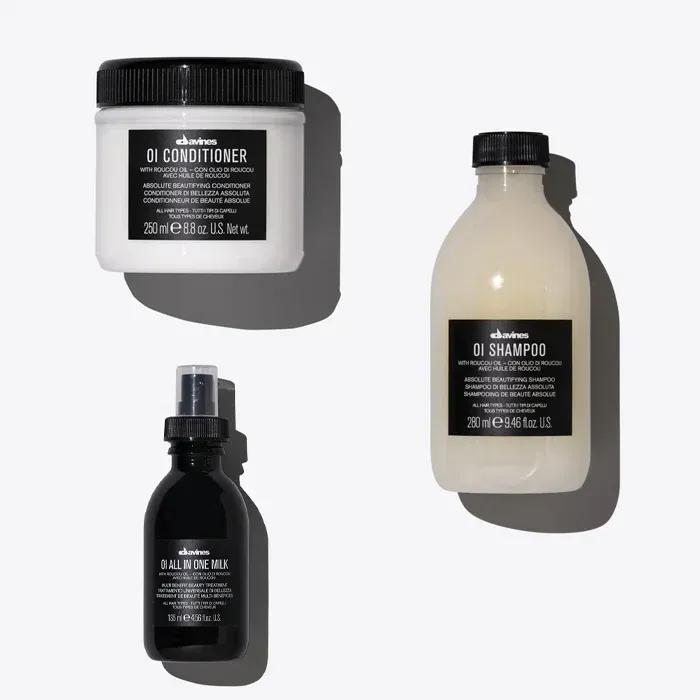
Choosing the right products for microblading aftercare is essential for promoting healing and maintaining the appearance of your brows. Here are some recommended products that can support your aftercare routine:
- Gentle Cleansers: Look for fragrance-free, mild cleansers that won't irritate the skin.
- Skin-Safe Ointments: Use ointments specifically designed for microblading aftercare to keep the area moisturized.
- Protective Hair Accessories: Consider using headbands or hair clips to keep hair away from the brows during the healing process.
Which Skin-Safe Beauty Products Support Healing?
When selecting skin-safe beauty products, opt for those that are free from harsh chemicals and fragrances. Products containing natural ingredients like aloe vera or chamomile can be soothing and promote healing. Always consult with your microblading technician for product recommendations tailored to your skin type and needs.
How Does Sun Protection Impact Microblading Longevity?
Sun protection plays a vital role in the longevity of microbladed brows. UV exposure can cause the pigment to fade more quickly, leading to uneven results. To protect your brows, apply a broad-spectrum sunscreen to the area once fully healed. Additionally, wearing hats or using umbrellas when outdoors can provide extra protection against sun damage.
Studies further emphasize that sun protection is a key factor in maintaining the evenness and longevity of microblading pigment.
Microblading Pigment Retention & Sun Protection
On finishing the microblading, pigment is smudged on the area to ensure proper absorption. The pigment is retained in the upper dermis. However, few areas lose color with sun exposure. Hence, a touch up is a must in every microblading case as few areas lose color with the passage of time. Sun protection is important in retaining pigment evenly since few areas lose color with sun exposure.
Microblading and the science behind it, 2021
For those seeking professional hair solutions, it's essential to consider reputable providers.